Peer Support

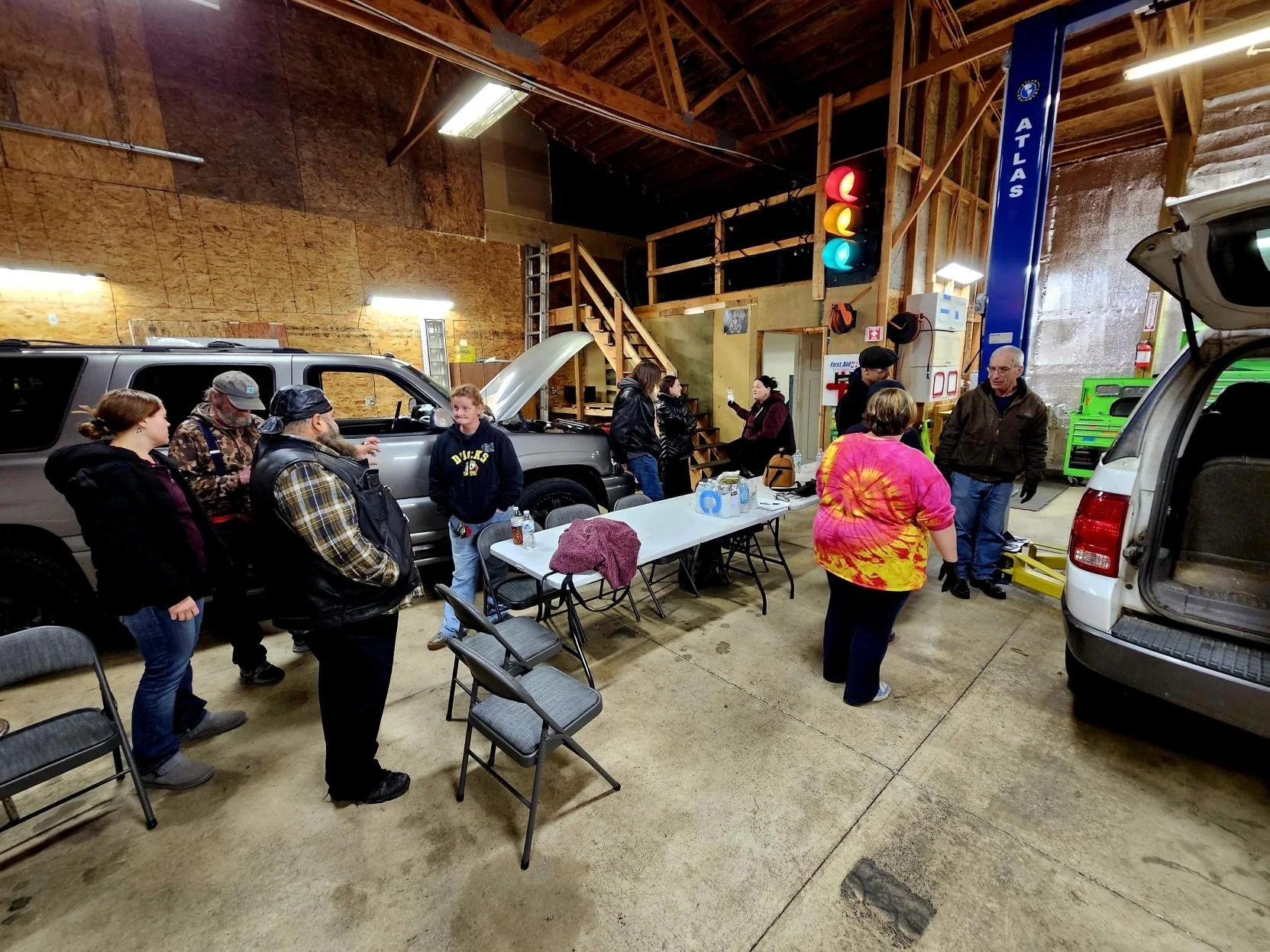
Peer Support is offered in person at our office, in the community, by phone or video chat, and in some group settings.
What is Peer Support?
Individuals enrolled in residential treatment, outpatient mental health, and outpatient substance use disorder treatment have access to a peer support person, matched with similar life experiences.
A Peer Support Specialist (PSS) is a trained and certified provider who has lived experience in the areas of addiction and/or mental health challenges. Each PSS comes with a unique story of overcoming obstacles and hardships. Their job is to help you get through your obstacles and hardships by meeting you where you're at. People feel understood on a different level when they know the person has been through it before too.
A peer support person can spend time providing emotional support and assist in removing barriers to complete important tasks (errands, appointments, doing the dishes, getting out of bed, etc.). The PSS is here to help you heal, meet your goals, and create the life you want. Sessions can happen in your home or the community.
Why Does Peer Support Work?
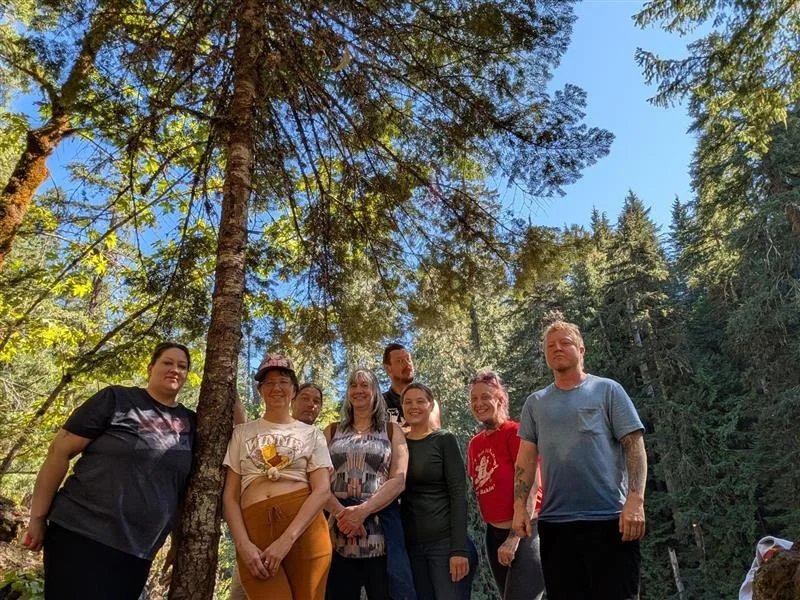
No matter how many friends and family members you have, if they don’t understand what you’re going through, you may find yourself feeling very alone. A peer support gets it, and can be there for you in a way that is sometimes difficult for our loved ones to show up when we’re struggling.
How Does Peer Support Work?
You and your peer support person take a look at the goals you’ve created in your individualized treatment plan. Together, you make a plan for how you can put action steps into place. Your peer support person is there to cheer you on, nudge you when you need a little motivation, and sit with you when things feel heavy.

What Makes Peer Support Different from Professional Therapy?
Therapy is where you go to process, and map out your course of action to improve your life. Peer support is here to be your buddy on the day-to-day as you start to make different choices and experience the ups and downs of growth.
What are the Benefits of Peer Support?
Several studies comparing peer staff and non-peer staff providing conventional mental health services have detected consistent differences between the two. Peer-delivered services generate superior outcomes in terms of engaging “difficult to reach” individuals, reduce rates of hospitalization and days spent as inpatient, and decrease substance use among persons with co-occurring substance use disorders. Individuals assigned peer recovery mentors do significantly better in number of hospitalizations and number of days spent in hospitals than control groups with no peer support (Davidson, L. et al, 2012). Other studies indicate that peer support improves symptoms of depression more than care as usual (Pfeiffer et al, 2011).
What Makes Peer Support Different from Professional Therapy?
Therapy is where you go to process, and map out your course of action to improve your life. Peer support is here to be your buddy on the day-to-day as you start to make different choices and experience the ups and downs of growth.
What are the Benefits of Peer Support?
Several studies comparing peer staff and non-peer staff providing conventional mental health services have detected consistent differences between the two. Peer-delivered services generate superior outcomes in terms of engaging “difficult to reach” individuals, reduce rates of hospitalization and days spent as inpatient, and decrease substance use among persons with co-occurring substance use disorders. Individuals assigned peer recovery mentors do significantly better in number of hospitalizations and number of days spent in hospitals than control groups with no peer support (Davidson, L. et al, 2012). Other studies indicate that peer support improves symptoms of depression more than care as usual (Pfeiffer et al, 2011).
More About Peer Support Specialists
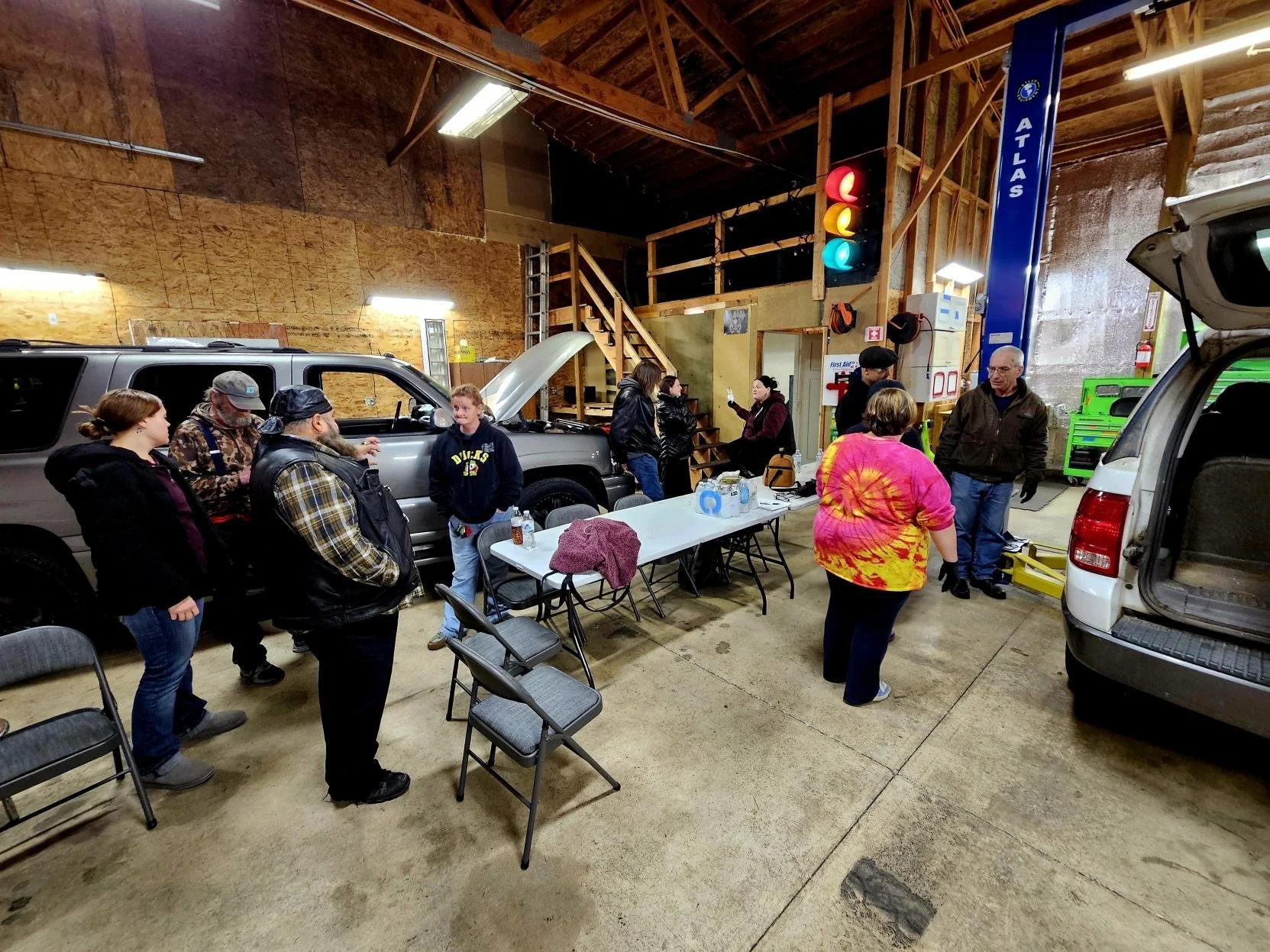
Our Peer Support Specialists receive 40 hours of specialized training and are certified with Oregon Health Authority as Traditional Health Workers. Many of our PSS have additional certifications in addictions (CRM), Family Support, and Peer Wellness. Our PSS receive ongoing training in the areas of: Trauma Informed Care, First Aid, Narcan, Suicide Prevention, Equity, Inclusion, and Diversity, just to name a few. They receive extensive training and support from our experienced Program Supervisors and Managers.
Open to Medicaid Members
Medicaid customers in the community are welcome to participate in any of our peer support or group programs, regardless of whether they are receiving mental health or SUD treatment with us. To get signed up, fill out this form and someone will call to schedule a quick, one hour assessment, and then we can connect you to the program of your interest
Our Peer Group Programs